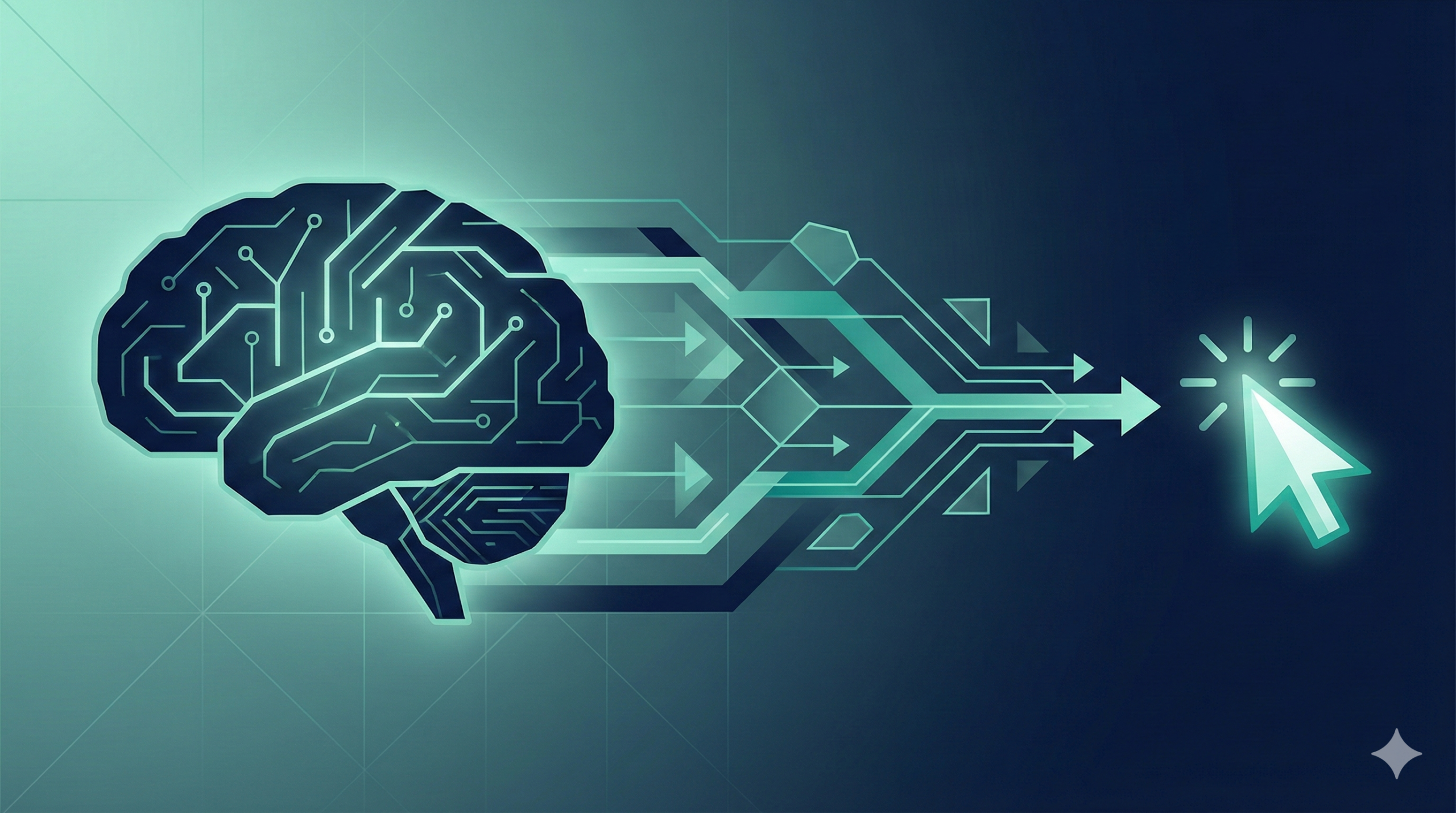
 In today’s oversaturated digital world, users are bombarded with visuals every few seconds — pop-ups, carousel sliders, sidebar ads, and social banners all competing for one thing: attention. Web banners created without psychological knowledge tend to blend in with the internet’s background noise. But when crafted using insights into human behavior, emotion, and perception, they can transform from ignored rectangles into powerful tools of persuasion. Every component, including layout, timing, color, and typography, communicates directly with the subconscious. This article dives deep into the psychological principles that make web banners clickable, revealing how marketers and designers can blend science with creativity to maximize engagement and conversions. Understanding these invisible triggers is no longer optional; it’s the difference between being noticed and scrolled past.
Why Psychology Matters for Web Banners
A web banner’s success isn’t determined by its size or animation — it’s determined by how the human brain reacts to it. People process visuals far faster than text; research shows it takes only 50 milliseconds for users to form a first impression of a webpage. That means your banner has less than a heartbeat to attract interest before being dismissed. This is where psychology enters the picture. Concepts like selective attention, color association, and cognitive bias influence what captures focus and what’s ignored. Banner blindness, a condition in which people unintentionally ignore ad-like content, is an example of how well the brain filters perceived “noise.” To combat this, designers must use psychological cues to break those filters: unexpected shapes, human faces, or emotionally charged visuals. By integrating cognitive principles, your banner doesn’t just get seen — it resonates, connects, and prompts that all-important click.
Cognitive Triggers That Lead to Clicks
Visual Hierarchy and the F-Pattern
Humans don’t read web pages; they scan them. The “F-pattern” — where users focus primarily on a page’s top and left areas — explains why banner placement and design hierarchy are crucial. Elements like bold typography, contrasting colors, and directional cues (arrows, faces looking toward the CTA) can guide the eye toward the desired action. A banner that aligns with natural scanning tendencies reduces friction, helping the brain identify value instantly. If a headline is positioned along this visual path and paired with a strategically placed call-to-action (CTA), the user’s gaze naturally flows to the click point. In essence, the F-pattern acts as a psychological roadmap. Following it doesn’t restrict creativity; it amplifies it by letting your design harmonize with how the brain already works.
Color Psychology
Color is one of the most potent emotional triggers in advertising. Each hue carries subconscious meaning — red stimulates urgency and excitement, blue evokes calm and trust, green suggests growth or safety, and yellow sparks curiosity and optimism. When used intentionally, colors can prime the viewer’s mind before they process the message. For instance, a red “Shop Now” button may evoke a sense of immediacy, while a cool blue background reassures the viewer that the brand is credible. But balance matters. Overusing bold colors can feel aggressive; underusing them can make banners fade away. Brilliant designers pair contrasting colors for readability, apply brand-consistent palettes for recognition, and use accent tones to draw attention to CTAs. Practical color psychology is about emotion alignment — the tone of your visuals should mirror the emotion you want the viewer to feel.
Simplicity and Cognitive Load
When a user encounters a banner, their brain automatically gauges its complexity. Suppose the design feels chaotic or overloaded with text, cognitive load increases, and attention wanes. Simplicity doesn’t mean minimalism alone — it means clarity. A banner should communicate one idea, one emotion, and one action. The brain loves patterns and predictability; when it quickly decodes the message, it feels rewarded, making a click more likely. White space (or negative space) plays a key role in separating elements, reducing strain, and giving visual breathing room. A clean, well-structured design subconsciously tells the user that the brand is confident, organized, and trustworthy. On the other hand, complexity signals confusion, so if a banner makes users think too hard about what to do next, it has already failed in its purpose.
Persuasion Triggers: Urgency, Scarcity, and Social Proof
Humans are emotional decision-makers. We click when we feel compelled, not when we understand the logic. That’s where persuasion triggers like urgency, Scarcity, and social proof come in. When a banner says “Offer ends in 3 hours” or “Only five spots left,” it activates FOMO (fear of missing out), pushing users toward instant action. Social proof — “Over 10,000 customers trust us” — leverages the psychological bias known as herd behavior, where people mimic what others are doing. Combine these triggers with visual emphasis — countdown timers, badges, or testimonial snippets — and elevate the click’s perceived value. The best-performing banners merge emotional urgency with tangible benefit, creating a sense of need and trust.
Animation and Motion
Movement is hardwired to capture human attention — our ancestors evolved to notice motion as a survival instinct. In digital advertising, subtle motion can be a powerful hook. A gently pulsating CTA, a sliding background image, or a shifting color gradient can stop scrolling thumbs. However, balance is crucial. Too much animation overwhelms users, leading to distraction instead of engagement. Studies show that motion used with purpose — like drawing attention to key elements — boosts click-through rates significantly. But random or continuous animation can feel intrusive, triggering ad fatigue. When in doubt, adopt the “less is more” rule: motion should enhance storytelling, not hijack it.
From Psychology to Practical Design – Crafting Clickable Banners
Translating psychological insight into real-world design is where science meets art. Start by defining your audience — not just demographics, but emotional state and motivation. A busy professional needs clarity and credibility; a young shopper may respond better to color, playfulness, and novelty. Once your message is clear, choose a headline that offers instant value and answers, “What’s in it for me?” The visual hierarchy should reinforce this flow, guiding the viewer effortlessly from headline to supporting image and the CTA. Remember: every pixel should serve a purpose. Avoid elements that don’t advance comprehension or emotion. Test contrasting designs — static versus animated, minimalist versus bold — and track which emotional cues perform best. Designing clickable banners isn’t about guessing but continuously refining based on how people feel and behave.
Common Pitfalls and How to Avoid Them
Even experienced designers fall into traps that sabotage banner performance. One of the biggest is banner blindness — users instinctively skip over areas that look like ads. The fix? Break the mold. Use irregular shapes, contextual placement, or integrated design that feels like part of the content rather than a separate promotion. Another pitfall is message misalignment: when the banner promises something the landing page doesn’t deliver. This erodes trust instantly. Consistency between copy, visuals, and the destination page is essential. Overuse of animation or loud colors can also backfire, especially if it feels spammy or distracts from the core message. Lastly, don’t neglect mobile optimization. A banner that looks great on desktop but fails to scale on smaller screens loses most of its audience. Every design should be responsive, fast-loading, and easy to interact with — especially on touch devices.
Real-World Use Cases and Examples
E-Commerce Flash Sale
A fashion retailer launching a weekend sale might use a bold red banner featuring a model making direct eye contact — a proven attention grabber. The headline “72-Hour Flash Sale – Up to 70% Off” taps urgency, while the CTA “Shop the Sale” sits in a bright, contrasting box. This design leverages color emotion, time pressure, and human connection simultaneously.
SaaS Free Trial
A software company might use a calming blue palette to convey trust and professionalism. The message “Boost Team Productivity by 30% in 7 Days” focuses on results, not features. Pair this with a clear CTA — “Start Free Trial” — and a visual of a happy team using the software. The psychological cue here is aspiration: showing users the success they want to achieve.
Abandoned Cart Retargeting
A retargeted ad featuring the exact product the user viewed reignites familiarity. Add “Still thinking it over? Here’s 10% off — valid for 2 hours!” and you’ve activated Scarcity and personalization. These banners feel like direct conversations, not generic promotions.
Metrics That Matter and Measuring Success
A beautiful banner is worthless without measurable performance. The primary metric — Click-Through Rate (CTR) — reveals immediate engagement, but it’s not the whole story. High CTRs mean little if conversions are low. Marketers also track Conversion Rate (CR) and Cost per Acquisition (CPA) to understand real ROI. Behavioral metrics, such as time to click or scroll depth, can indicate whether the banner captures or distracts attention. Pair quantitative data with qualitative insight — heatmaps, user testing, and eye-tracking — to reveal how people experience your banner. Remember, optimization is continuous. Every audience evolves, and what works this month may underperform next quarter. Treat every campaign as a learning cycle. The key is generating not just clicks but intentional clicks from users genuinely interested in your offer.
Future Trends in Banner Psychology
The future of banner design will hinge on personalization, interactivity, and emotional authenticity. With AI and data analytics, advertisers can dynamically tailor banners to match user context — location, time, or mood. Expect to see subtle micro-animations, immersive 3D effects, and interactive countdowns replacing static visuals. However, as users become increasingly ad-savvy, authenticity will trump flashiness. Authentic images, conversational tone, and storytelling-driven banners are outperforming traditional designs. Emotional resonance — not just aesthetic polish — will determine engagement. Another rising trend is cross-platform consistency: ensuring that banners adapt fluidly from desktop to mobile to smart TV. The psychology remains constant — clarity, emotion, and trust — but the presentation will evolve. Ultimately, the future of clickable banners lies not in louder visuals but smarter empathy.
Summary and Key Takeaways
Psychology is the secret weapon behind every effective banner ad. Visual hierarchy ensures your message aligns with how the eye moves. Color psychology triggers emotion. Simplicity reduces mental strain. Persuasion levers like urgency and social proof drive action. Motion, when used wisely, captures attention without overwhelming. However, success depends on avoiding pitfalls like banner blindness and inconsistent messaging. Testing, data analysis, and iteration are the backbone of sustainable performance. The takeaway? A clickable banner isn’t an accident — it’s a strategic design built on human psychology. The brands that master this art don’t just get clicks; they earn trust, loyalty, and long-term engagement.
FAQs
What makes a web banner clickable?
A clickable web banner uses clear messaging, emotional triggers, strong visuals, and a distinct call-to-action that instantly conveys value to the viewer.
Which colors work best for banner ads?
While green and blue foster trust, hues like orange, yellow, and red draw attention. Always choose colors matching your brand’s tone and audience’s mood.
How does psychology improve banner performance?
Psychology helps you design how people think and react—using visual hierarchy, emotion, and cognitive triggers to increase engagement and clicks.
What is banner blindness?
Banner blindness occurs when users ignore ad-like elements. Overcome it with creative shapes, integrated designs, and relevant, personalized content.
Should I use animation in banners?
Yes, but sparingly. Subtle motion can attract attention, while excessive animation distracts users and reduces click-through rates.
Table: Psychological Principles Behind Clickable Web Banners
| Psychological Principle | Effect on Viewer Behavior | Application in Banner Design |
| Color Psychology | Colors evoke emotions and influence trust, urgency, and attention. | Use red/orange for urgency, blue for trust, and green for calmness or growth. Maintain brand consistency. |
| Visual Hierarchy | Guides the viewer’s eyes toward key information and CTAs. | Position headlines and buttons along natural eye paths (top and left areas). Use size and contrast strategically. |
| Simplicity (Low Cognitive Load) | Reduces mental effort, helping users quickly grasp the message. | Keep copy short, visuals clean, and one primary CTA. Avoid clutter and excessive text. |
| Urgency & Scarcity | cause FOMO, or the fear of missing out, which motivates quicker action. | Add phrases like “Limited Time Offer” or “Only 3 Left.” Use countdown timers subtly. |
| Social Proof | Builds trust by showing others’ positive experiences. | Include stats (“10,000+ users”), testimonials, or recognizable partners’ logos. |
| Curiosity Gap | Stimulates the desire to learn more or uncover information. | Use intrigue-based copy like “Discover the secret to higher CTRs.” |
| Facial Recognition | Faces attract attention and create an emotional connection. | Use high-quality images of people looking toward your CTA or product. |
| Motion & Animation | Captures attention through movement, but must be controlled. | Use gentle animations to highlight CTAs or transitions—avoid distraction. |
| Consistency & Alignment | Ensures brand credibility and seamless experience. | Match banner promises with the landing page’s tone, visuals, and offer. |
| Personalization | Increases relevance and emotional engagement. | Tailor content to audience demographics, behavior, or browsing history. |
Conclusion
Every click tells a story — a split-second of decision-making powered by curiosity, desire, and trust. Great banner design is not manipulation; it’s communication. Marketers can create banners that feel human by understanding the cognitive patterns that shape perception and the emotions that drive action. The psychology behind clickable banners reminds us that even in the digital age, our decisions are still guided by instinct and emotion. When your visuals respect that truth, they stop being ads and start being experiences. Every pixel becomes purposeful, every word becomes persuasive, and every design choice becomes a psychological bridge — guiding your audience from awareness to action.